
Koulukoira lukiossa: Wellbeing with a Four-Legged Teacher
It is 8:15 on a grey Helsinki morning, and the corridors of Sibelius-lukio are already alive with the sound of scales being sung and pointe shoes being laced. Then, padding quietly past the practice rooms, comes a golden retriever with a school lanyard around her neck. She pauses at an open door, wags once, and moves on. For our students, this is simply part of the school day — but for visitors, the sight of a koulukoira wandering a music and dance upper secondary school is often the most memorable thing they see. Here is how a school dog became part of who we are.
What Is a Koulukoira and Why Does It Matter?

A koulukoira is a trained school dog that works alongside staff to support student wellbeing, and in a specialised lukio it is far more than a novelty. At Sibelius-lukio, our koulukoira is a working member of the community, not a pet that happens to live on site.
The Finnish Koulukoira Concept
Finland has quietly become a pioneer in bringing dogs into educational settings. The koulukoira concept pairs a carefully selected dog with a trained handler — usually a teacher, counsellor or school nurse — and the dog attends school days much like any other staff member. Finnish schools have embraced the idea because it fits the national emphasis on hyvinvointi, or wellbeing, as a foundation for learning rather than an add-on. The dog is not a therapist and does not diagnose anything; instead, its calm, consistent presence lowers the temperature of a building full of adolescents under pressure.
Why Wellbeing Matters in a Musiikkilukio
Students at a musiikkilukio carry an unusual load. A typical week mixes academic lessons with instrument practice, ensemble rehearsals, music theory and, for those on the tanssilinja, several hours of dance training. Add the demands of ylioppilaskirjoitukset and the independent work required for lukiodiplomi, and you have young people whose days are long, physical and emotionally exposed. Performance is personal. When a dancer or musician struggles, it shows in front of an audience. A koulukoira offers something rare in that environment: attention with no assessment attached.
A Day in the Life: Our Koulukoira at Sibelius-lukio
Our koulukoira follows a routine that mirrors the rhythms of the school, from the first bell to the last rehearsal of the afternoon.
Morning Routines and First Encounters
She arrives with her handler before the first lesson and takes up her spot near the main entrance, where students filter in from the tram stop. Some crouch down for a quick greeting; others simply catch her eye and smile on the way past. The effect is subtle but real — the first ten minutes of the day feel softer. During morning lessons she rests in a designated area of the staff room or a quiet corner of the library, and students who need a moment away from the noise can arrange a short visit with a member of staff.
Supporting Dance and Music Practice
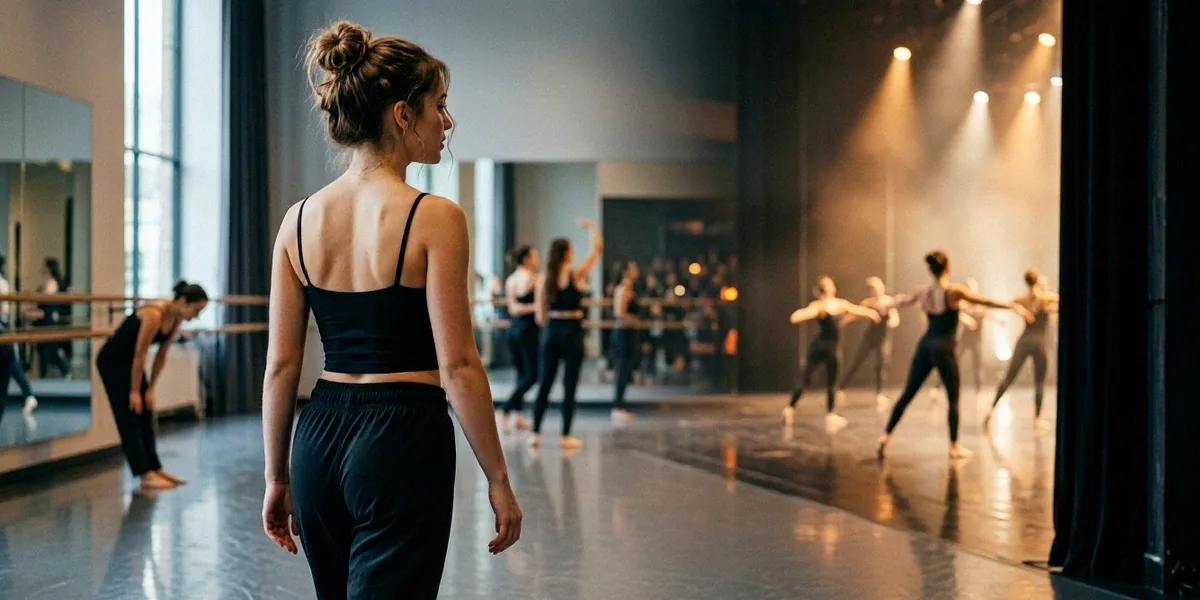
After lunch, the building changes character. The tanssilinja students take over the studio, and the practice rooms fill with oboes, cellos and the occasional trumpet warming up. Our koulukoira often accompanies the handler during supervised practice sessions, lying at the edge of the studio while dancers run sequences. Teachers report that students settle faster when she is present, and that the small breaks taken to greet her help regulate breathing and focus between repetitions. She is never part of the teaching itself — she is simply there, which turns out to be enough.
How the Koulukoira Supports Student Wellbeing
The evidence base for school dogs has grown steadily. Studies and practitioner reports consistently point to reduced stress markers, lower anxiety before assessments and improved classroom climate. In our own building, the pattern is easy to see during the two most demanding periods of the year.
Stress Relief During Ylioppilaskirjoitukset
The Finnish matriculation examination is a high-stakes stretch of weeks. Students sit long papers in near silence, and the pressure builds across the whole spring. During ylioppilaskirjoitukset we schedule short, optional sessions with the koulukoira before and after exam days. A few minutes of quiet contact — stroking a dog, feeling a steady heartbeat — gives students something concrete to anchor to. It does not replace counselling or study support, but it takes the edge off the moment when they walk into the hall.
Emotional Support for Lukiodiplomi Projects
The lukiodiplomi is a substantial independent project: a composition, a performance, a choreography, a portfolio. It is assessed, public and deeply personal. Students working on their diplomas often hit a wall in the final weeks, and that is when our koulukoira earns her keep. She sits through practice run-throughs, absorbs tears in the corridor and provides a reason to step away from the screen or the mirror for a few minutes. Several students have told us that the dog was the only audience they could face on a bad day.
Training, Welfare, and Practicalities
Bringing a dog into a school is a serious commitment, and we treat it that way. Welfare comes first, for students and for the dog.
What Makes a Good Koulukoira?
Not every dog is suited to school life. The qualities we look for include:
- Calm, predictable temperament around groups and sudden noise
- Comfort with being handled by unfamiliar people, including teenagers
- Low reactivity to other dogs, food and movement
- Willingness to rest for long periods in a designated space
- Robust health and a manageable coat for a public building
Training continues throughout the dog’s working life, with regular refresher sessions and clear routines for rest, toileting and time off. The handler is responsible for the dog at all times, and the dog never works a full day without breaks.
Welfare and Allergy Policies
We follow strict hygiene rules: the dog is kept out of food preparation areas, hands are washed after contact, and all visits are optional. Students and staff with allergies or a fear of dogs are never required to interact, and alternative routes through the building are always available. In the UK, schools considering a similar programme can look to Dogs for Good for guidance on assistance and community dogs, and to The Kennel Club for breed and welfare information. The Animal Welfare Act 2006 sets out the legal duty of care owed to animals in England and Wales, and any school dog programme should be built around it from day one.
Student and Staff Perspectives
We asked our community what the koulukoira has changed. The answers were refreshingly specific.
Voices from the Musiikkilukio
A third-year student on the tanssilinja told us that she used to dread the minutes before a solo rehearsal, and now she spends them sitting on the floor with the dog. A music teacher described how a nervous first-year, unable to speak in front of the group, whispered his concerns to the dog instead — and then, a week later, to the class. Our school nurse notes that casual conversations often begin with the dog and end with a student asking for help they would not otherwise have requested.
What We’ve Learned
Three lessons stand out. First, consistency matters more than novelty: the dog needs a predictable routine, not a schedule of special appearances. Second, the handler must be visible and available, because the dog’s value depends on adult supervision. Third, the programme only works when it is genuinely optional. Wellbeing cannot be compulsory, and a dog that is forced on reluctant students does more harm than good.
Could Your School Benefit from a Koulukoira?
If you work in a UK school and are considering a school dog, the Finnish model offers a useful template — but the decision should be evidence-led, not sentimental.
Steps to Introduce a School Dog
- Identify a clear purpose, such as exam-period stress reduction or support for vulnerable students.
- Secure senior leadership and governing body approval, with a written policy.
- Consult staff, students, parents and carers, including those with allergies or phobias.
- Appoint a trained handler and agree a welfare plan with veterinary input.
- Choose a dog with the right temperament, and invest in ongoing training.
- Review the programme after a trial period and publish the results.
UK Resources and Legal Considerations
UK schools can draw on organisations such as Dogs for Good, which has extensive experience of placing dogs in educational and community settings, and The Kennel Club, which provides breed and welfare guidance. Legal duties under the Animal Welfare Act 2006 must be reflected in your policy, alongside your existing health and safety, safeguarding and equality obligations. As in Helsinki, the strongest programmes are those where the dog’s needs and the students’ needs are planned for together.
FAQ
Is the koulukoira a therapy dog?
No. Our koulukoira is a trained school dog supported by a handler. She provides general wellbeing support and a calm presence, but she does not deliver therapy or take the place of our counsellor, nurse or pastoral staff.
Can students who are allergic or afraid of dogs opt out?
Yes, always. Contact with the dog is entirely voluntary, the dog has designated areas and routes, and hygiene protocols are followed throughout the building. No student is ever required to be near her.
How does a school dog help during ylioppilaskirjoitukset?
We offer short, optional sessions before and after exam days. The aim is to reduce stress and give students a steady, non-judgemental presence at a highly pressured time of year.
What training does a koulukoira need?
She needs a calm temperament, basic obedience, comfort in busy environments and ongoing refresher training. The handler also receives training in welfare, handling and how to integrate the dog safely into school life.
Could this work in a UK school?
Yes, with careful planning. Follow guidance from Dogs for Good and The Kennel Club, comply with the Animal Welfare Act 2006, and build the programme around student consent and the dog’s welfare from the outset.
A koulukoira is not a gimmick or a photo opportunity. It is a long-term investment in the daily experience of young musicians and dancers who give a great deal of themselves every week. At Sibelius-lukio, one dog has changed the temperature of an entire building — and we would gladly tell any school in the UK how we did it. If you have questions, or your own school dog story, we would love to hear from you.



Post Comment