
Ylioppilaskirjoituksiin valmistautuminen: A Study Plan That Actually Works
We will admit something upfront: most exam study plans collapse within a fortnight. They look beautiful on paper — colour-coded blocks, neat hourly slots, a promise to revise four subjects a day — and then an orchestra rehearsal runs late, a dance piece needs cleaning before a show, and the whole thing falls apart. At Sibelius-lukio we have watched hundreds of students try to bolt a generic revision timetable onto a life already full of music and movement. It rarely works. So this is the plan we actually recommend: one built around rehearsals, lessons, performances and the occasional need to simply rest.
Why Most Study Plans Fail for Musiikkilukio Students

Generic revision guides assume something a musiikkilukio student never has: long, uninterrupted study blocks. They imagine three quiet hours after school, every day. In reality, our students arrive at 8am, practise their instrument before lessons, rehearse in ensembles at lunch, attend tanssilinja classes in the afternoon, and often perform in the evening. The calendar is not empty — it is scored like a symphony.
When a plan ignores that reality, it fails for a predictable reason: it treats practice as an obstacle to revision rather than a fixed part of the day. The fix is not more discipline. It is a different architecture.
The myth of the perfect timetable
There is no perfect timetable. We have seen students rewrite theirs five times in a term, each version more elaborate than the last, and each one abandoned by week two. A plan that survives contact with a creative schedule is usually messy, flexible and built around anchors — not around an ideal week that never happens.
What our tanssilinja dancers taught us about energy management
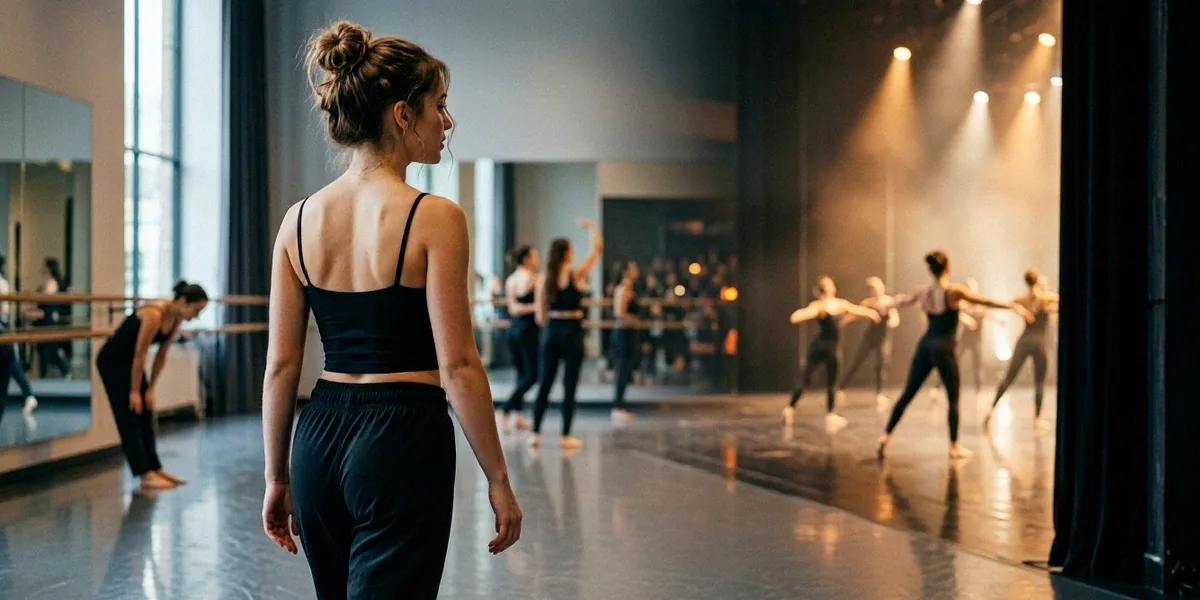
Our tanssilinja dancers plan their training around energy, not just time. They know a demanding technique class cannot be followed by three hours of intensive revision, and they know a light morning is worth more than a forced evening. We encourage every student to apply the same logic: schedule your hardest revision when your body and mind are genuinely fresh, and defend that slot fiercely.
Start with the Ylioppilaskirjoitukset Calendar, Not a Blank Page
Before you write a single revision block, map the exam calendar. The Finnish ylioppilaskirjoitukset run in two main sessions — spring and autumn — with re-sit windows for students who want to improve a grade. Put every date on one wall planner: your first paper, your last paper, the re-sit window, and every school deadline in between.
Then work backwards. The exam date is fixed, so everything else bends around it.
Blocking out compulsory subjects first
Compulsory subjects — usually mother tongue, the second national language and mathematics or a substitute — should be blocked into the planner first. These are non-negotiable, and they often carry the most content. Once they are placed, the optional subjects can be fitted around them.
Protecting time for lukiodiplomi deadlines
The lukiodiplomi is an artistic final project, and its deadlines do not move for exam revision. We tell students to mark lukiodiplomi milestones on the same planner as their exams, so the two never ambush each other in the same week. If a project deadline and a mock exam land together, you need to know that now — not in April.
Building a Weekly Rhythm Around Rehearsals and Lessons
A weekly template should treat rehearsals and practice sessions as fixed anchors, then slot revision into the gaps around them. This is not about finding more hours; it is about using the hours that already exist. Our school sits in Helsinki’s Töölö district, close enough to concert venues and cafés that after-school temptations are everywhere. A rhythm helps you enjoy them without losing the week.
Morning slots before ensemble rehearsals
Mornings are underrated. Thirty minutes of active recall before an ensemble rehearsal often beats an exhausted hour at 9pm. If you can claim one morning slot three times a week, you have built a reliable revision habit without touching your evenings.
Using commute time on Helsinki public transport
Helsinki’s trams and buses are mobile study rooms. Flashcards, audio summaries and quick self-quizzing work well on a twenty-minute journey. Small pockets of time, used deliberately, add up across a term.
The Sunday reset ritual
We recommend a short Sunday reset: fifteen minutes to review the week just gone and adjust the week ahead. Move what slipped, protect what matters, and delete anything that has become unrealistic. A plan you actually update is worth more than a plan you merely admire.
Study Techniques That Survive a Creative Schedule
Long marathon sessions do not survive a creative timetable. Short, focused sprints do. Many of our tanssilinja students revise in 25-minute blocks between dance classes, and it works — partly because the block is short enough to start even when tired. This is essentially the Pomodoro technique: it lowers the cost of beginning.
- Active recall: close the book and write what you remember, then check.
- Past papers: practise under timed conditions, not just reading.
- Spaced repetition: revisit topics after a day, a week, a month.
- Short sprints: 25 minutes on, 5 minutes off, repeated.
Past papers from the Finnish Matriculation Examination Board
The Finnish Matriculation Examination Board publishes past papers for the ylioppilaskirjoitukset, and they are the single best revision resource available. Work through them by topic first, then by full paper under time. Marking your own answers teaches you what the examiner actually rewards.
Flashcards for language and theory subjects
Languages, music theory and factual subjects respond well to flashcards. Keep them physical if you like the ritual, or digital if you revise on the move. The key is testing yourself, not rereading.
Group revision without turning it into a jam session
Group revision can be excellent — or it can become an impromptu rehearsal. Set an agenda, set a timer, and agree that instruments stay in cases until the session ends. Then, by all means, play.
Balancing Lukiodiplomi, Performances and Exam Revision
The lukiodiplomi adds a specific pressure: a final artistic project that sits alongside written exams and demands real creative energy. It rewards genuine passion, and it can quietly consume every spare hour if you let it.
Talking to teachers early
Negotiate deadlines early, not in the week they fall due. Teachers at a musiikkilukio understand the pressure — but they cannot help you if they learn about the clash the night before.
When to say no to extra gigs
Every extra gig is a gift and a cost. In the final months, learn to say no to the ones that are not essential. You are not less of a musician for protecting your exam preparation.
Sleep, nutrition and avoiding burnout
No study plan survives sleep deprivation. Sacrificing sleep to revise is borrowing from the exam itself. Eat properly, sleep consistently, and treat rest as part of the plan rather than a failure of discipline.
The Final Six Weeks: Tapering Without Panic
Athletes taper before competition: less new training, more refinement. Apply the same logic. In the final six weeks, reduce new material and increase review, past papers and self-testing. Our team suggests simulating exam conditions in the school hall, using the same pens and calculator you will use on the day, so nothing about the format feels unfamiliar.
Mock exams and self-marking
Mocks are diagnostic, not prophetic. Mark them honestly, identify the gaps, and fix them. A disappointing mock six weeks out is useful information.
The night before each paper
Light review only. Prepare your materials, set your alarm, and stop. Cramming the night before rarely changes the outcome and reliably damages your focus.
Keeping perspective beyond ylioppilaskirjoitukset
These exams matter, but they are not the whole of you. You are a musician, a dancer, a performer. The results open doors; they do not define the person walking through them.
A study plan is a living document. It will change, and it should. The goal is progress, not perfection — and staying true to the musical and dance identity that brought you here in the first place.
FAQ
How many hours a day should a musiikkilukio student revise?
There is no universal number. We suggest two to three focused hours on a normal school day, more at weekends, built around rehearsals rather than replacing them. Consistency matters far more than volume.
Can I prepare for ylioppilaskirjoitukset and complete my lukiodiplomi at the same time?
Yes, but only with early planning. Map both sets of deadlines onto one calendar, speak to your teachers well in advance, and protect sleep. It is demanding but entirely manageable alongside exams when scheduled properly.
Where can I find past papers for ylioppilaskirjoitukset?
The Finnish Matriculation Examination Board publishes past papers, and they are the most reliable practice material available. Use them by topic first, then as full timed papers.
Is the Pomodoro technique suitable for music and dance students?
Absolutely. Twenty-five-minute blocks fit neatly between classes and rehearsals, and the short format makes it easier to start when you are tired.
What if my study plan falls apart after a few weeks?
Then you rebuild it — that is normal. Use a Sunday reset to adjust, drop what is unrealistic, and keep the anchors that work. A plan that adapts will always beat one that shatters.



Post Comment