Tanssilinjan arki: From Rehearsal Studio to the Stage
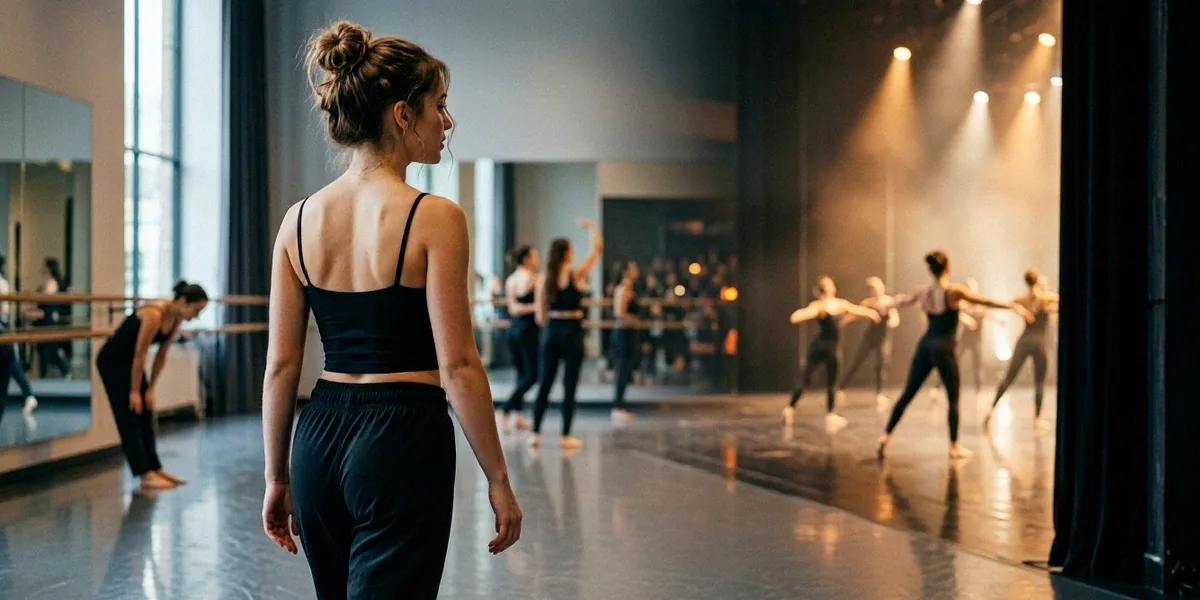
It is 7:45 on a grey Helsinki morning, and the studio is already awake. Mirrors run the length of the wall, barres are wiped down, and the sprung floor holds the faint squeak of pointe shoes and bare feet warming up. A few dancers stretch in silence; others run through a phrase from yesterday’s choreography. Then the pianist arrives, the teacher claps twice, and the tanssilinja day begins. This is what student life looks like on the dance track at Sibelius-lukio, where artistry and academics share the same timetable.
What Is Tanssilinja? Inside Our Dance Programme
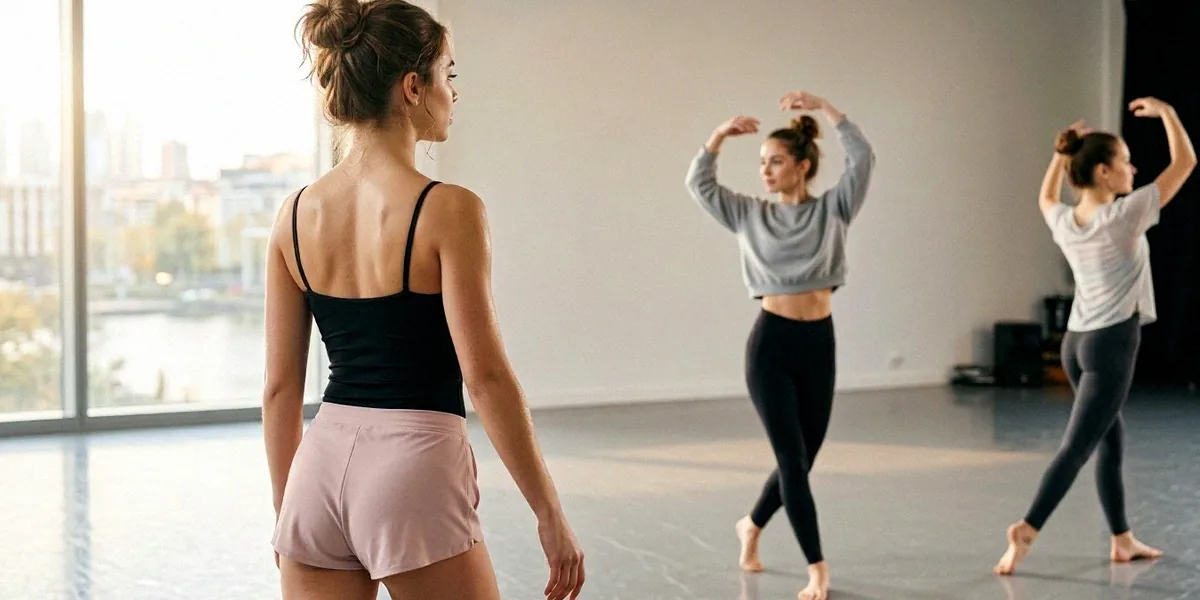
Tanssilinja is the specialised dance track within Sibelius-lukio, a music and dance focused upper secondary school in Helsinki. It sits alongside our musiikkilukio programme, which means dancers and musicians study under the same roof and often end up on the same stage. Students on the tanssilinja combine daily dance training with the Finnish national curriculum, so a typical week includes ballet, contemporary technique, choreography, and general upper secondary subjects such as languages, mathematics, and sciences. The result is a dual identity: you are a dancer, but you are also a full upper secondary student preparing for further study.
Entrance to the track is by audition, and once students are in, the pace is steady rather than frantic. We build the year around technique, creative work, and performance, with the lukiodiplomi (the Finnish national arts diploma) available as a qualification in dance for those who want formal recognition of their artistic work alongside their academic grades.
A Day in the Life: Balancing Dance and Academics
Mornings belong to the studio. Dancers arrive early, warm up independently, and then move into technique class. Afternoons shift to academic lessons, and many students use free periods between rehearsals for reading, essay drafts, or revising for exams. It is a rhythm that rewards planning: a dancer who leaves a physics assignment until 9pm after a three-hour rehearsal will struggle, so we encourage students to treat study time as seriously as barre work.
The Role of Lukiodiplomi in Dance Studies
The lukiodiplomi is a voluntary national qualification that lets students demonstrate artistic competence in their chosen art form. In dance, it typically involves a performance component and a written reflection, and it can be completed alongside the ylioppilaskirjoitukset. For dancers applying to conservatoires or university arts programmes, the lukiodiplomi offers concrete evidence of sustained, assessed creative work — useful when portfolios and auditions are being reviewed.
Morning Rehearsals: Technique, Choreography, and Conditioning
Our morning classes follow a structure that dancers will recognise from professional training anywhere in Europe. A ballet barre builds alignment, strength, and turnout; contemporary technique develops floor work, release, and dynamic range; and conditioning sessions target the core stability and mobility that keep dancers injury-free. Facilities include sprung floors and full-length mirrors, similar to those at The Place in London, which we reference when discussing professional training environments with students.
Ballet and Contemporary Foundations
Ballet remains the backbone of the tanssilinja. Teachers push students to refine line, musicality, and precision, even when the goal is not a classical career. Contemporary classes then open up different movement qualities — weight, fall, recovery, and floor-based work. We also introduce styles such as jazz dance and improvisation-based contemporary, so students leave with a versatile technical base rather than a single specialism.
Improvisation and Creative Exploration
Improvisation is where many dancers discover their own voice. Guided tasks — dancing to a single note, responding to a partner, working with a specific spatial constraint — teach quick decision-making and stage presence. These sessions feed directly into choreographic projects, and several student works have later been developed for public performances.
Academic Afternoons: Musiikkilukio Meets Tanssilinja
One of the advantages of studying at Sibelius-lukio is that the dance track is not isolated. Dancers share corridors, canteen tables, and projects with musiikkilukio students, and that proximity produces collaborations that would be difficult to organise elsewhere. A choreographer may work with a live cellist; a composer may write for a dance duet. These partnerships mirror professional practice, where dance and music are rarely separate.
Collaborations with Music Students
Joint projects range from short in-class experiments to full-scale productions. Dancers learn to count live music rather than recorded tracks, and musicians learn to follow movement. Recent collaborations have included contemporary works set to student-composed scores and cross-disciplinary performances staged in school and at external venues.
Preparing for Ylioppilaskirjoitukset
The ylioppilaskirjoitukset (matriculation examinations) are a demanding part of upper secondary life, and dancers must manage them alongside training. We help students map exam subjects across the three years, use study periods strategically, and communicate early with teachers when rehearsal schedules intensify. Many dancers sit exams in languages, mathematics, and humanities, and go on to university or conservatoire study.
From Studio to Stage: Performance Opportunities
Performance is built into the tanssilinja year. Students appear in informal studio showings, where work-in-progress pieces are shared with peers and teachers, and in larger productions that draw audiences from across Helsinki. The annual spring gala is the highlight, bringing together dance and music students in a programme that reflects the breadth of the school.
Annual Spring Gala and Studio Showings
The spring gala is staged in a professional theatre setting, with lighting, costume support, and live music where possible. Studio showings are more intimate: no costumes, no pressure, just feedback. Both formats matter. One builds performance stamina; the other builds the habit of showing unfinished work honestly.
External Performances and Festivals
Beyond school walls, students have performed at venues such as the Helsinki Music Centre, one of Finland’s leading concert and performance spaces. Through exchange programmes, some dancers have also taken part in the UK’s U.Dance festival, a national youth dance event that connects young dancers with peers and professionals. These opportunities widen students’ sense of what dance can be and where it can take them.
Wellbeing and Community: Life Beyond the Barre
Training seriously at 16 or 17 requires more than discipline. It requires a support system. The tanssilinja community is deliberately built around peer mentoring: older students guide first-years through audition nerves, rehearsal etiquette, and the practicalities of balancing schoolwork with dance. Wellness workshops cover sleep, nutrition, and recovery, and we draw on resources similar to those offered by One Dance UK when discussing dancer health.
Peer Support and Mentoring
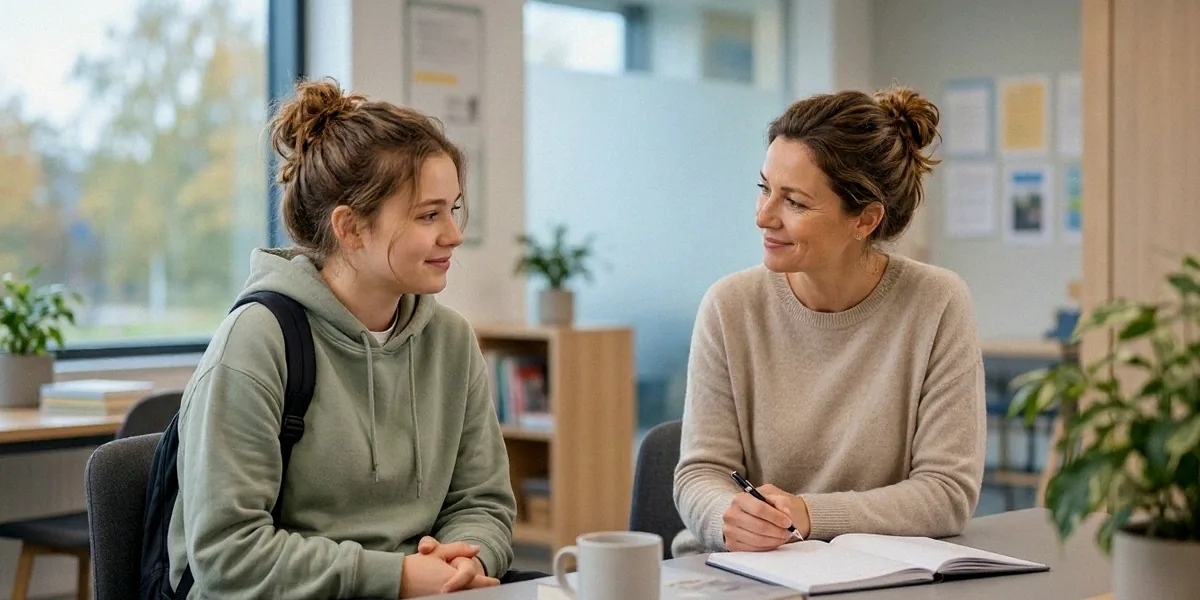
Mentoring is informal but structured. New dancers are paired with older students, and teachers check in regularly. The aim is simple: no one should feel alone in the studio or in the exam hall.
Injury Prevention and Mental Health
We teach students to recognise early warning signs of overuse, to warm up and cool down properly, and to speak up when something hurts. Mental resilience is treated as a skill, not a personality trait. Strategies include goal-setting, reflection journals, and access to school welfare services when needed.
Why Tanssilinja at Sibelius-lukio Stands Out
What makes our dance track distinctive is the combination of rigorous training, academic breadth, and genuine community. Dancers here are not asked to choose between artistry and education. They graduate prepared for professional dance careers, for higher education, and for lives that include dance in many forms. Alumni have progressed to institutions such as Rambert School in London, as well as Finnish and international universities and conservatoires.
- Daily technique training in ballet and contemporary dance
- Access to the lukiodiplomi in dance
- Collaboration with musiikkilukio musicians
- Performance opportunities at the Helsinki Music Centre and beyond
- Exchange links including the UK’s U.Dance festival
- Structured support for ylioppilaskirjoitukset
Tanssilinja is more than a timetable of classes. It is a transformative journey that equips dancers with discipline, creativity, and a lifelong network of peers, teachers, and collaborators. From the first barre of the morning to the final bow of the spring gala, our students learn what it means to move with purpose — and to carry that purpose into whatever comes next.
Usein kysytyt kysymykset
Do I need previous dance training to apply to tanssilinja?
Yes. Entry is by audition, and most applicants have several years of ballet or contemporary training. We look for potential, musicality, and commitment as much as technical polish.
Can I combine tanssilinja with the musiikkilukio programme?
The two tracks are separate, but collaboration is common. Dancers frequently work with music students on joint performances and cross-disciplinary projects.
Is the lukiodiplomi in dance compulsory?
No. It is optional, but many dancers choose to complete it because it provides formal, assessed evidence of artistic work that supports applications to conservatoires and universities.
How do students manage ylioppilaskirjoitukset alongside dance training?
With careful planning. Students spread exam subjects across three years, use study periods between rehearsals, and receive guidance from teachers on balancing deadlines with performance commitments.
Where have past students gone after graduating?
Alumni have continued to institutions such as Rambert School in London, as well as Finnish and international universities, conservatoires, and professional dance companies.



Post Comment