
Lukion vuosikertomus: What You’ll Find Inside and Why It’s Worth Opening
A glossy booklet arrives home from Sibelius-lukio, and most families glance at the cover before setting it aside. It looks like a souvenir, something to flip through once and shelve. But that thin volume holds more than memories. It is a working record of a school year — who performed where, who completed what, how the music and dance lines evolved — and for anyone with a genuine interest in Sibelius-lukio, it repays a slow read.
What Exactly Is a Lukion Vuosikertomus?
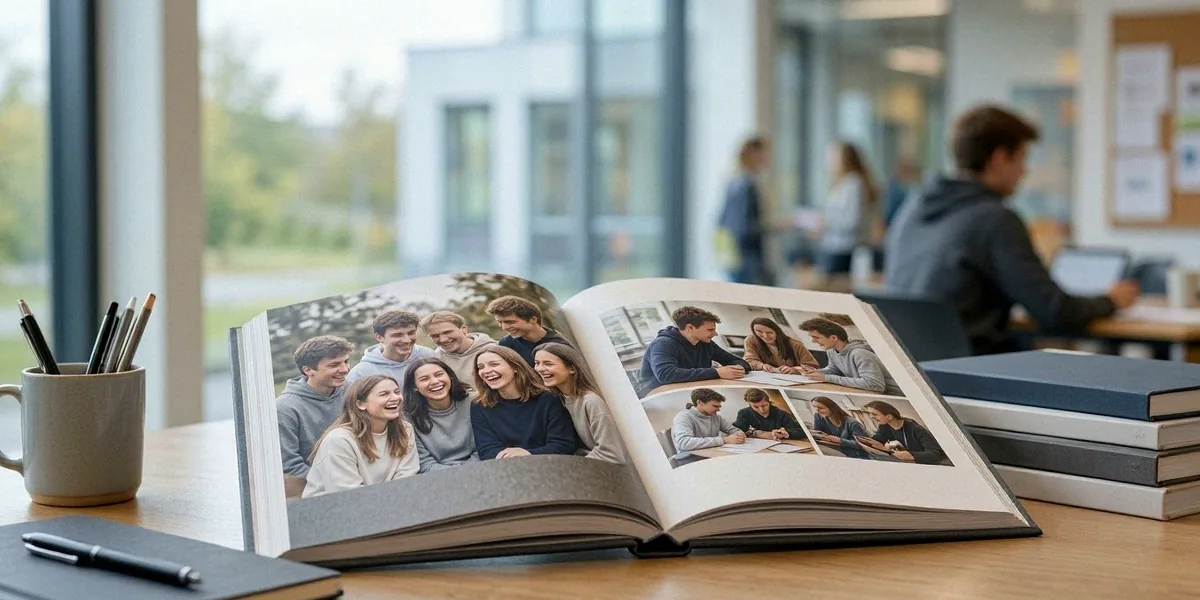
A Finnish upper secondary school yearbook — the lukion vuosikertomus — is an annual review that combines statistics, student work, staff reflections and event highlights in one document. At most schools it is a formality. At Sibelius-lukio, a specialised upper secondary school in Helsinki focused on music and dance, it doubles as a cultural record of musiikkilukio and tanssilinja life: the concerts, the choreographies, the exam results and the small daily details that never make it into official communications.
The Finnish Upper Secondary School Yearbook Tradition
Finnish schools have long published these annual reviews as part of their accountability to parents, municipalities and alumni. The format is fairly consistent: a principal’s foreword, a timeline of the school year, subject-specific pages, results summaries and student contributions. Because upper secondary education in Finland culminates in the ylioppilaskirjoitukset — the Finnish matriculation examinations — the yearbook also functions as a public snapshot of academic outcomes, alongside the artistic work that defines a school like Sibelius-lukio.
How Sibelius-lukio’s Version Differs from a Standard School Report
A standard school report tells you what happened. Sibelius-lukio’s version shows you. Where a typical yearbook might list exam pass rates and leave it there, this one devotes real space to repertoire choices, dance productions, composition projects and the lukiodiplomi — an optional national diploma showing advanced skill in arts subjects. If your interest in the school is artistic rather than purely academic, those pages are where the substance lives.
Inside the Covers: Sections You Should Actually Read
Not every section carries equal weight. Here is where to focus first.
Principal’s Review and School Year Timeline
The principal’s foreword sets the tone for the year: what changed, what the school is proud of, what it is still working on. Read it alongside the timeline that usually follows, which maps concerts, performances, examination periods and exchange visits across the academic calendar. Together they give you the school’s own narrative of the year, before any external interpretation.
Musiikkulukio and Tanssilinja Project Highlights
These pages are the heart of the document for anyone evaluating the artistic programmes. Look for:
- Named ensembles, choirs and orchestras, and the repertoire they performed
- Dance productions staged during the year, including student choreography
- Cross-disciplinary collaborations between musiikkilukio and tanssilinja students
- Visiting artists, masterclasses and external performance opportunities
The breadth of that list tells you more about the school’s real creative culture than any marketing page could.
Lukiodiplomi and Ylioppilaskirjoitukset Outcomes
This section is where art and academics meet. The lukiodiplomi is optional, so the number of students completing it — and the range of disciplines represented, from music to dance to visual arts — signals how seriously the school treats advanced artistic study. Alongside it, the ylioppilaskirjoitukset summaries show examination results by subject, giving a clear picture of academic performance across the cohort.
Student Voices, Artwork and Photography
Essays, poems, photographs and artwork round out the volume. These contributions are often the most revealing part of the yearbook, because they are produced by students without editorial framing. If you want to understand what daily life at Sibelius-lukio actually feels like, start here rather than with the statistics.
Why Families in the UK Should Care About This Document
If you are based in the UK and considering a move to Helsinki — or supporting a young person who is already there — the vuosikertomus answers questions that a website cannot.
A More Honest Alternative to a Prospectus
UK families are used to two documents: the glossy prospectus and the Ofsted report. The prospectus sells; the Ofsted report inspects. The Finnish yearbook sits somewhere between the two, but with less polish and more texture. It is not written to impress prospective parents, which is precisely why it is useful. You see the school as it actually ran for twelve months, not as it wishes to be seen.
What It Tells You About Applying from the UK
For applicants coming from outside Finland, the yearbook clarifies what the school expects and values. The balance between musiikkilukio and tanssilinja coverage, the emphasis on independent projects, the presence of international exchanges — all of this helps you judge whether Sibelius-lukio is the right fit before you commit to an application. It also gives you concrete material to reference if you are preparing a portfolio or interview.
How to Read Between the Lines
Every yearbook is edited, and editing reveals priorities. Our team reads these documents with a few questions in mind.
Spotting Priorities in Page Allocation
Count the pages. If a particular ensemble, dance production or lukiodiplomi project receives several spreads while others get a paragraph, that tells you where institutional energy went that year. This is not necessarily a criticism — it is simply information.
Tracking Changes Across Multiple Years
Read two or three editions side by side and patterns emerge. Has the emphasis on ylioppilaskirjoitukset results grown or shrunk? Are new artistic disciplines appearing? Have collaborations between the music and dance lines deepened? Year-on-year comparison is where the vuosikertomus becomes genuinely analytical rather than merely nostalgic.
Where to Find Past Editions and Digital Copies
Past editions of the Sibelius-lukio yearbook are typically archived in the school library, where current students and visiting families can browse them. In recent years, the school has also begun sharing PDF or flipbook versions online, making it possible to review earlier volumes from outside Finland.
School Library and Archive Access
If you are visiting Helsinki, the library is the most reliable place to consult back issues. Ask staff about the archive — older editions are often kept in bound volumes rather than on open shelves.
Digital Versions and Wilma Notifications
Current families usually receive news about the latest edition through Wilma, the Finnish school communication platform used by many upper secondary schools. If you have a child enrolled at Sibelius-lukio, Wilma is where you will first hear that the new vuosikertomus is available. For everyone else, the school’s own website is the best starting point for digital copies.
FAQ
Is the lukion vuosikertomus available in English?
The main text is usually in Finnish, since it is produced primarily for Finnish-speaking families and students. Some sections, particularly those aimed at international visitors, may include English summaries. If you are reading from the UK, a translation tool plus a basic familiarity with terms like musiikkilukio and tanssilinja will carry you a long way.
Do I need to be a current parent to access a copy?
No. Past editions are generally available through the school library, and digital versions are increasingly shared publicly. If you are considering applying from the UK, reviewing a recent yearbook is one of the most practical ways to research the school before contacting admissions.
How does the lukiodiplomi appear in the yearbook?
Students who complete the lukiodiplomi — the optional national diploma showing advanced skill in arts subjects — are usually named alongside a short description of their project. The range of disciplines represented gives a good indication of how broad the school’s artistic offer really is.
Are ylioppilaskirjoitukset results published in full?
Yearbooks typically summarise results by subject rather than listing individual scores. This gives a cohort-level view of performance in the Finnish matriculation examinations without compromising student privacy.
The lukion vuosikertomus is not a formality to file away. It is a living document — one that rewards a slow, curious read, whether you are a current family, an alumni, or a UK-based household weighing up a move to Helsinki. Open it properly, and it will tell you what a prospectus never will.



Post Comment