Musiikkiteknologian valinta lukiossa: what we actually learn on the course
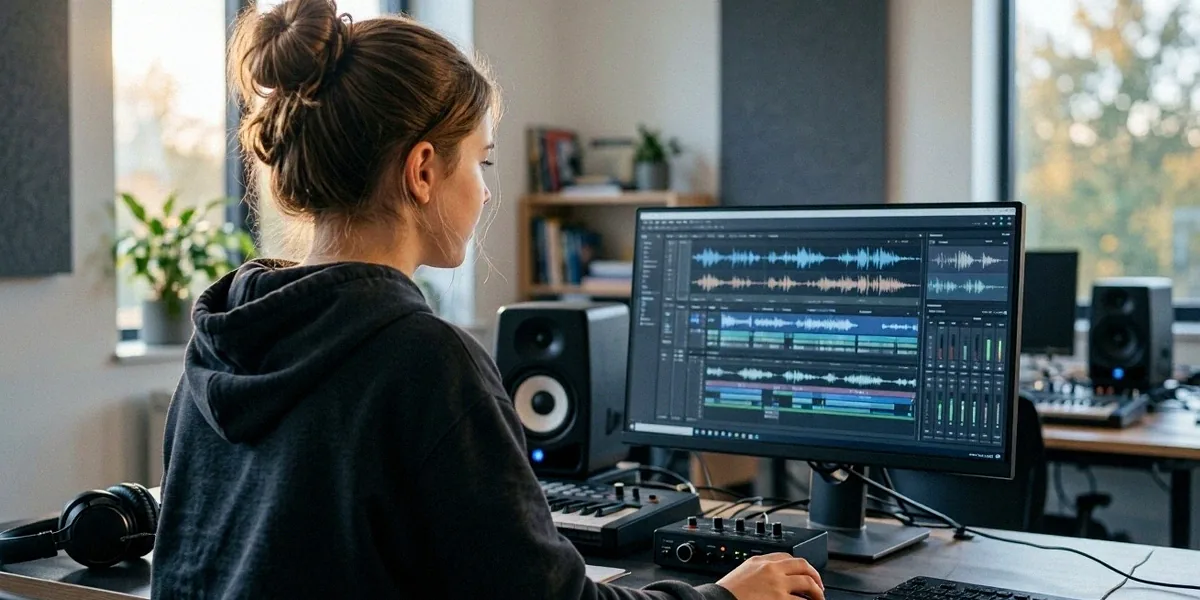
It is a grey Tuesday in November, and a first-year student is sitting in our music technology lab at Sibelius-lukio, surrounded by glowing screens, a MIDI keyboard and a controller with more knobs than they know what to do with. They have just chosen musiikkiteknologia as their optional subject, and one question keeps circling: is this valinta actually right for me? We have all been there. This post is our honest account of what the course really involves, from the first confused clicks in a DAW to mixing live sound at a school concert.
Why we chose musiikkiteknologia as our optional subject
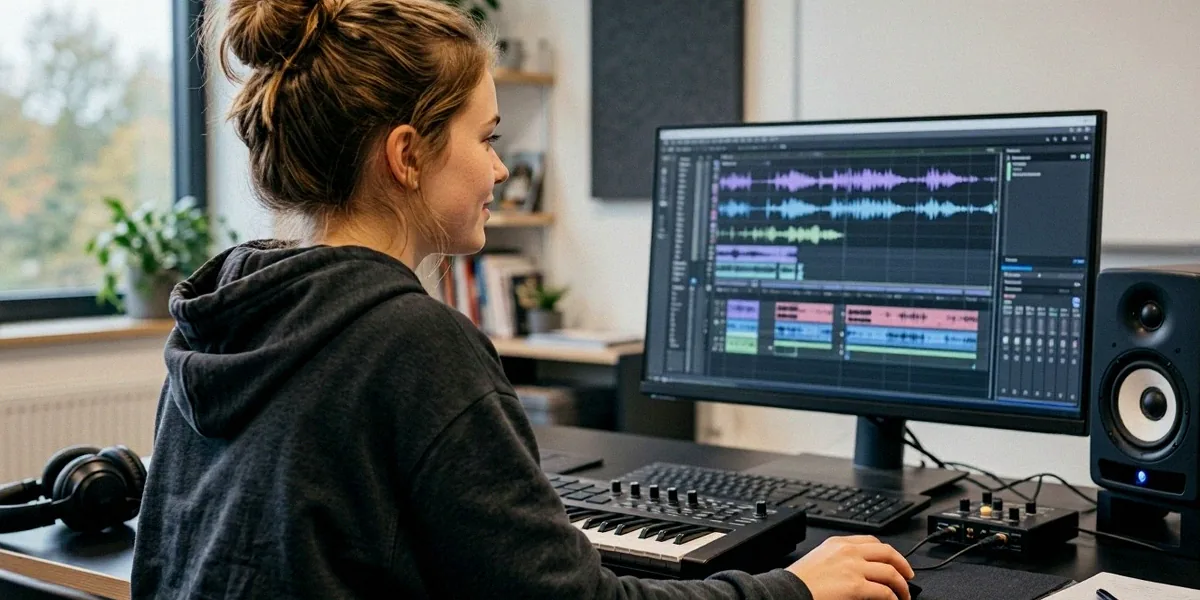
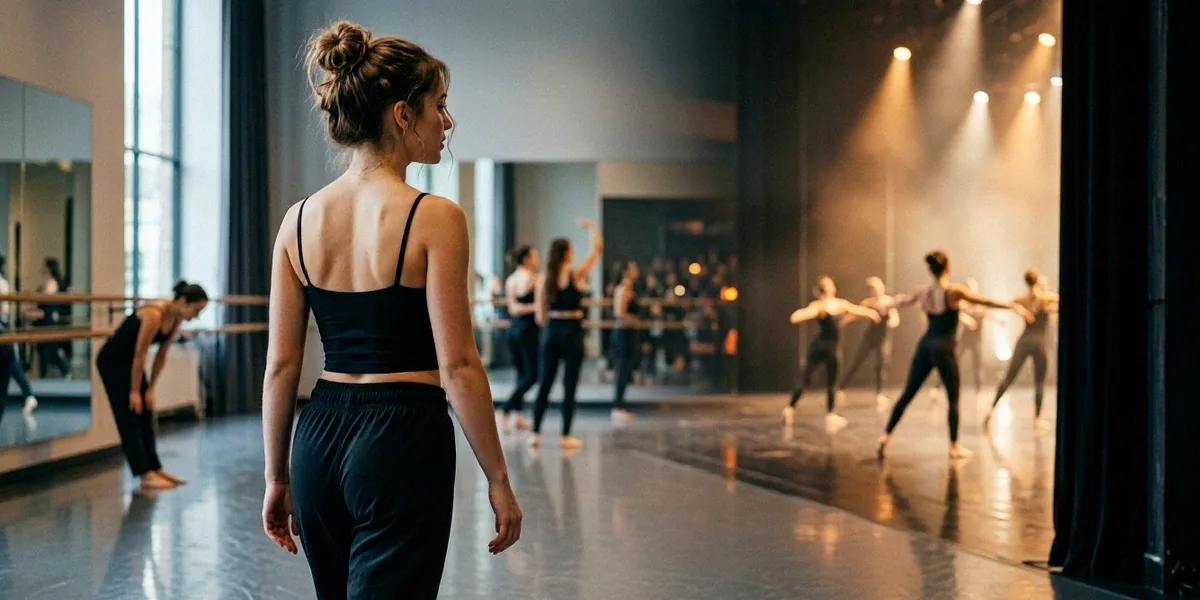
Sibelius-lukio is a specialised musiikkilukio in Helsinki, and most of us arrived here because we play, sing or dance. When it came to choosing optional subjects, musiikkiteknologia stood out because it let us stay inside music while learning something completely new. Some of us combine it with tanssilinja, balancing studio sessions with dance training; others pair it with classical performance or songwriting. In the Finnish lukio system, optional subjects are where you shape your own profile, and for us this valinta was the obvious way to add a practical, modern skill to an arts-heavy timetable.
How it fits alongside lukiodiplomi and ylioppilaskirjoitukset
One of the first things we asked was whether musiikkiteknologia would clash with the big milestones: lukiodiplomi and ylioppilaskirjoitukset. It does not. The projects we produce in the course — recordings, original tracks, sound design work — can feed directly into a lukiodiplomi portfolio, and the listening and theory skills overlap neatly with music as a ylioppilaskirjoitukset exam subject. Rather than being extra work, the course often gives you material you were going to need anyway.
What prior music skills you actually need (spoiler: less than you think)
You do not need to be a producer, an engineer or even a confident performer. What you genuinely need is curiosity and a willingness to listen closely. Our group includes pianists, drummers, dancers and one person whose only prior experience was making playlists. If you can count bars, hear when something is out of tune and stay patient while software updates, you are ready. Everything technical — routing, plugins, microphone placement — gets taught from scratch.
What we cover in the first weeks: from DAWs to signal flow
The opening weeks are deliberately hands-on. We compare digital audio workstations such as Ableton Live, Logic Pro and Pro Tools, learning what each one is good at: Ableton Live for quick looping and electronic ideas, Logic Pro for composition and scoring, Pro Tools for serious recording and editing. Alongside that, we cover basic acoustics, microphone types and the concept of signal flow — the journey a sound takes from a voice or instrument to a recorded file. If you have friends in the UK doing a BTEC or an A-level music technology taster, the content will feel familiar: same vocabulary, same tools, different qualification.
Getting comfortable with Ableton Live and Logic Pro
We start by building short loops in Ableton Live, then recreate similar ideas in Logic Pro to feel the differences. Sessions are short and practical: programme a drum pattern, record a bassline, automate a filter. By the end of the second week, most of us can navigate a session, add effects and export a rough mix without panicking.
Microphones, cables and the magic of gain staging
Then the cables come out. We learn the difference between dynamic and condenser microphones, why phantom power exists, and how a balanced cable saves you from hum. The big lesson is gain staging: setting levels so nothing clips and nothing hisses. It sounds unglamorous, but it is the single habit that separates a clean recording from a muddy one.
Our first group project: recording a short jingle
Our first assessed project is a jingle — thirty seconds, one clear idea, recorded and mixed as a group. It forces us to divide roles, agree on a tempo and finish something. The results range from chiptune-style game music to a choral tag for an imaginary radio station.
Core skills we build: recording, editing and mixing
Once the basics are in place, the course settles into a rhythm of record, edit, mix, repeat. We work in the school studio with industry-standard plugins and hardware similar to what you would find at a UK college or university, and the expectation is that we treat each session like a real production.
Tracking live instruments and vocals in the studio
We record piano, strings, drums, vocals and the occasional kantele. That means setting up microphones, checking phase, running headphone mixes and doing multiple takes. Learning to communicate with a performer — ”can we try that chorus a little softer?” — turns out to be as important as any plugin.
Editing and comping: making the perfect take
Comping is where patience pays off. We take the best lines from several takes and stitch them into one believable performance, then use time alignment to tighten timing without killing the groove. It is detailed, sometimes tedious work, but it is exactly what professional editors do every day.
Mixing basics: EQ, compression and reverb
Mixing is where the course gets genuinely addictive. We learn to:
- Use EQ to carve space so instruments do not fight each other
- Apply compression to control dynamics and add punch
- Place reverb and delay to create depth and a sense of room
- Balance levels and panning so the mix works on headphones and speakers
We reference commercial tracks constantly, which trains our ears faster than any tutorial.
Creative projects: songwriting, sound design and live sound
Technical skill is only half the story. The course pushes us into creative work that mirrors the portfolio building UK students might do for a UAL or RSL qualification: original compositions, sound design briefs and real-world live sound duties.
Composing and producing an original track
Everyone writes and produces at least one original piece, from first idea to final master. Some of us start on piano, others in Ableton Live with a drum loop. The brief is open, but the deadline is not, and that pressure is useful preparation for anyone considering music production as a career.
Sound design for visual media and games
We design sound for short film clips and simple game scenes: footsteps, ambience, impacts, UI clicks. This is where synthesis and sampling click into place, because the sound has to serve the picture rather than stand alone.
Live sound: mixing a school concert
Later in the course we run live sound for school events, setting up the desk, checking monitors and mixing the front of house. Nothing teaches faster than a live audience and a vocalist who cannot hear themselves.
How the course connects to lukiodiplomi and ylioppilaskirjoitukset
Assessment is continuous, project-based and closely tied to the wider Finnish upper secondary structure. The work you do here does not sit in isolation — it feeds the qualifications that matter most.
Using your music tech work for lukiodiplomi
Your recordings, compositions and sound design projects can form the core of a lukiodiplomi submission in music or media. We help you select and present work so it demonstrates range: technical control, creative intent and finished output.
Preparing for ylioppilaskirjoitukset with practical knowledge
If you choose music in ylioppilaskirjoitukset, the practical knowledge from this course is a real advantage. Recognising form, texture and instrumentation by ear becomes much easier once you have recorded and mixed those elements yourself.
What we wish we had known before choosing the course
Honest advice, from people who have already been through it.
Time management tips from our team
Studio time disappears. Book sessions early, export rough mixes often, and keep a simple log of what you changed and why. Do not leave a mix to the night before a deadline — your ears will betray you.
Why ear training matters more than gear
You can make a good record on modest equipment, but you cannot fake good ears. Ten minutes of focused listening a day — identifying frequencies, instruments, effects — will improve your work more than any new plugin.
Next steps: from lukio to music production degrees
Several of our alumni have gone on to study music production in the UK and Finland, including institutions such as BIMM and Leeds Conservatoire. The portfolio you build here, combined with lukiodiplomi and ylioppilaskirjoitukset results, gives you a genuine starting point for applications.
FAQ
Do I need to play an instrument to take musiikkiteknologia?
No. Basic musical awareness helps, but the course teaches the technical side from zero. Dancers from tanssilinja often do just as well as instrumentalists.
Can I combine musiikkiteknologia with lukiodiplomi?
Yes, and we encourage it. Your course projects can be developed and presented as part of your lukiodiplomi portfolio.
Which software will I actually use?
Mainly Ableton Live, Logic Pro and Pro Tools, plus a range of industry-standard plugins and studio hardware.
Does this help with ylioppilaskirjoitukset?
It supports the music exam especially, since practical experience with recording, mixing and listening makes the written and aural sections far more intuitive.
Is musiikkiteknologia only for future producers?
Not at all. It suits performers, dancers, songwriters and anyone curious about how music is captured and shaped.
Musiikkiteknologia is not a club for tech wizards. It is a course for any curious musician who wants to understand how sound becomes a finished piece of work. If you are considering it at Sibelius-lukio, come and see the lab, ask us questions and try a session — it may well become the springboard for your creative future.



Post Comment