
Student Exchange and Study Trips Abroad: Our Experience at Sibelius-lukio
The coach pulls up outside a school in Oslo and thirty teenagers spill out, instrument cases in one hand, dance bags in the other. Within an hour they are rehearsing alongside students they met that morning. This is what an exchange looks like from the inside, and it is one of the reasons we build international mobility into student life at Sibelius-lukio. The question we hear most often from applicants and parents is simple: what does time abroad actually add to a music or dance-focused lukio path? Our answer, after years of running these programmes, is that it changes how students hear, move and think about their own artistry.
Why We Encourage Exchange and Study Trips at Sibelius-lukio

International mobility is optional at our school, but it is strongly supported by our team. We do not treat a week in Vienna or three months in Oslo as time away from serious study. We treat it as part of the study itself. Whether a student is working towards the lukiodiplomi in music or dance, preparing for ylioppilaskirjoitukset, or simply trying to work out what kind of artist they want to become, time in another country sharpens focus and builds confidence in ways a classroom cannot.
How Exchange Complements the Musiikkilukio Curriculum
For musiikkilukio students, exchange is a practical extension of what we already teach. Rehearsing with a foreign ensemble forces you to listen differently, follow unfamiliar rehearsal conventions and communicate through the music itself. Students who return from these periods often describe their playing as more flexible and their ensemble instincts as faster. The experience also feeds directly into the reflective and analytical work that supports the lukiodiplomi.
Balancing Tanssilinja Training with Time Abroad
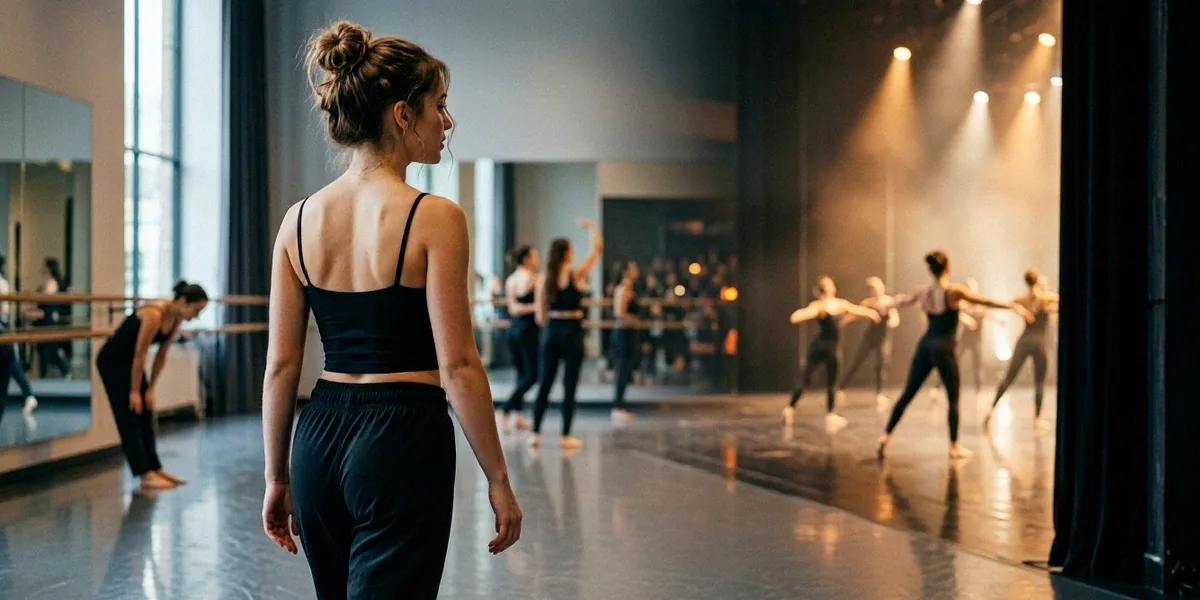
Dancers on tanssilinja face a particular challenge: technique is built through daily repetition, and a break from regular training can feel risky. Our approach is to match dancers with partner schools that offer comparable contemporary and classical training, so the daily routine continues in a new environment. Students come back with wider movement vocabulary and, just as importantly, a clearer sense of their own physical habits.
What Our Team Looks for in a Good Exchange Fit
Not every programme suits every student. Before we suggest an option, we consider:
- The student’s instrument or dance specialism and the partner school’s strengths
- Language readiness and willingness to work in a second or third language
- How the exchange period sits against ylioppilaskirjoitukset preparation and course deadlines
- Pastoral fit — how much support a student wants and needs while abroad
- Cost, funding eligibility and travel logistics
Erasmus+ and Nordic Exchange Options for Our Students
We work with a small number of well-established programmes rather than chasing every opportunity that appears. The main routes are Erasmus+ short and long mobilities, Nordplus exchanges with schools in Sweden, Norway and Denmark, and bilateral partnerships in Germany and the UK. Erasmus+ funding covers travel and accommodation for eligible students, which makes a real difference for families weighing up the cost.
Erasmus+ Short-Term Group Mobilities
These are typically five to ten days and run with a group from Sibelius-lukio. They suit students who want an international experience without a long absence from home, and they work well in the lower years before ylioppilaskirjoitukset pressure builds.
Longer Individual Exchanges Through Nordplus
Nordplus lets a single student spend a term with a partner school in Sweden, Norway or Denmark. Nordic neighbours share enough cultural and educational ground that the adjustment is manageable, while the language and pedagogical differences still stretch students considerably. Our Oslo placements have been especially popular with tanssilinja students.
Bilateral School Partnerships in the UK and Germany
Our long-standing partnerships in the UK and Germany support both individual visits and group projects. These are often built around a shared performance goal, such as a joint concert or a choreographic collaboration, which gives the exchange a clear creative purpose from day one.
Study Trips: Music, Dance and Culture Close Up
Not every international experience needs to last a term. Our regular study trips give students a concentrated dose of music, dance and culture, usually over four to seven days, and they are open to all year groups. Recent highlights include a music-focused trip to London, a dance intensive in Stockholm, and a Central European tour through Vienna and Prague.
London: Music, Musicals and Masterclasses
Our London trip is built around music. Students visit the Royal Academy of Music, take part in masterclasses and attend a West End production, which for many is their first experience of commercial musical theatre at that level. Seeing the technical precision of a West End show after a day of classical training gives students a useful jolt — the standards are high and the work ethic is visible.
Stockholm and Copenhagen: Dance Intensives
Our dance trips to Stockholm and Copenhagen are deliberately physical. Days are built around technique classes, repertoire sessions and improvisation workshops with local teachers and choreographers. Students also watch professional companies rehearse where schedules allow, which turns abstract career talk into something concrete.
Vienna and Prague: Classical Music Heritage
The Central European tour takes in two cities that shaped the classical canon. Students attend concerts, visit historic venues and explore the composers’ museums and archives. For musicians preparing the lukiodiplomi, standing in the rooms where this repertoire was written and first heard adds context that recordings alone cannot provide.
How We Prepare: Practical Steps Before You Go
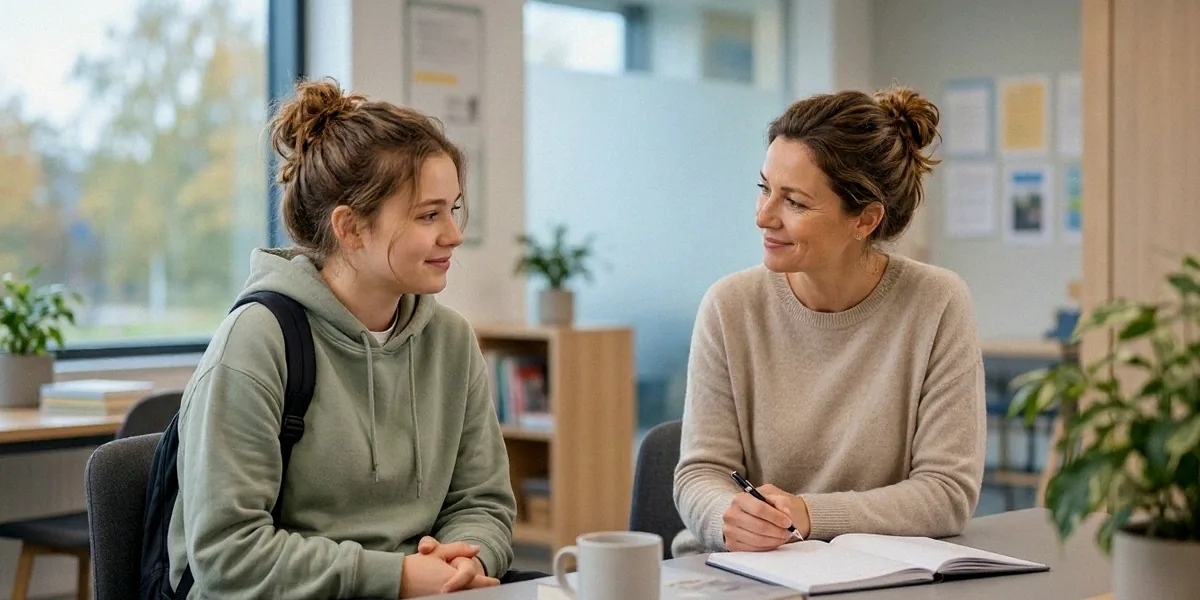
Good preparation is what separates a transformative trip from a stressful one. We run information sessions in the autumn term, set application deadlines in November, and deliver language and culture workshops before departure. Every trip also goes through a formal risk assessment. Our international coordinator is the first point of contact for students and families throughout the process.
Application Timeline and Deadlines
The autumn term is when most decisions are made. Students attend an information session, discuss options with the coordinator, and submit applications by the November deadline. We then confirm placements and begin preparation before the winter break.
Language and Cultural Preparation
Workshops cover practical language for rehearsal and classroom settings, plus cultural norms around punctuality, feedback and personal space. Students also practise explaining their own musical and dance background, which is often the hardest part of a first conversation abroad.
Funding, Grants and Practical Support
Erasmus+ funding covers travel and accommodation for eligible students, and we help families understand what is and is not included. We also check ylioppilaskirjoitukset schedules carefully before committing to any dates, so no student misses an exam or a critical preparation period because of a trip.
Student Stories: What Exchange Really Feels Like
The honest picture includes both the highs and the difficult moments. Here are three experiences our students have shared, anonymised but accurate in detail.
A Dancer’s Three Months in Oslo
One tanssilinja student spent a full term at a Nordplus partner school in Oslo. She described the first two weeks as exhausting — new teachers, new corrections, a different approach to improvisation. By the end she was leading warm-ups and had started choreographing her own material. She also admitted to a stretch of real homesickness around week five, which she worked through with support from our coordinator and her host school.
Chamber Music in Berlin
A musiikkilukio student joined a chamber music project in Berlin through our German partnership. The ensemble rehearsed intensively for ten days and performed twice. His main takeaway was not technical but interpersonal: learning to give and receive feedback in a group where nobody shared his first language.
Performing in Edinburgh: A Group Trip Diary
A mixed group of musicians and dancers travelled to Edinburgh and performed at a local school. The trip diary they kept afterwards is full of small, telling moments — a broken string replaced by a host student, a last-minute choreography change, a ceilidh that turned into an impromptu music workshop. Several students said the performance in Edinburgh was the first time they felt like artists rather than students.
Making the Most of Your Return: Credits and Next Steps
Coming home is its own kind of work. We help students turn what they learned abroad into something that counts academically and artistically.
Recognition of Learning and Credits
Exchange periods and study trips can be credited towards the lukiodiplomi and optional studies, depending on the content and duration. Students document their work through practice logs, recordings and written reflection, which our teachers assess alongside the usual portfolio evidence.
Using Your Experience in Ylioppilaskirjoitukset
International experience gives students concrete material for ylioppilaskirjoitukset essays, particularly in languages, music and general studies. A student who has rehearsed in Berlin or performed in Edinburgh can write about culture, identity and collaboration from lived experience rather than secondhand research.
Continuing International Paths After Sibelius-lukio
Our team also supports students applying for further international opportunities after lukio — summer academies, conservatoire auditions abroad, Erasmus+ study placements at university level and gap-year programmes. The habits built during a first exchange make the second one much easier to navigate.
FAQ
Is exchange compulsory at Sibelius-lukio?
No. Exchange and study trips are optional, but our team strongly encourages students to take part in at least one international experience during their time with us.
Can tanssilinja students go abroad without falling behind in training?
Yes. We match dancers with partner schools that offer comparable daily training, so technique continues to develop while students gain new vocabulary and perspective.
Does Erasmus+ funding cover all costs?
Erasmus+ funding covers travel and accommodation for eligible students. Some personal expenses and optional activities are not included, and we explain the full picture before anyone commits.
How do trips fit around ylioppilaskirjoitukset?
We check exam schedules carefully before confirming any dates. No student is placed in a position where a trip clashes with an exam or a critical preparation period.
Who should students contact about current opportunities?
Our international coordinator is the first point of contact. Students and families can get in touch through the school office for up-to-date information on Erasmus+, Nordplus and upcoming study trips.
Exchange and study trips are not a break from serious study at Sibelius-lukio — they are part of becoming a confident, internationally minded artist. Whether it is three months in Oslo through Nordplus, a chamber music project in Berlin, or a week in London visiting the Royal Academy of Music and a West End show, these experiences shape how our students play, dance and see the world. If you would like to know what is currently open, contact our team and we will walk you through the options.


Post Comment